Welding vs Fabrication: Understanding the Difference in Industrial Projects
In industrial construction and structural works, the terms welding and fabrication are often used together—but they are not the same. Understanding the difference helps project managers and property owners choose the right service and ensure safe, durable results.
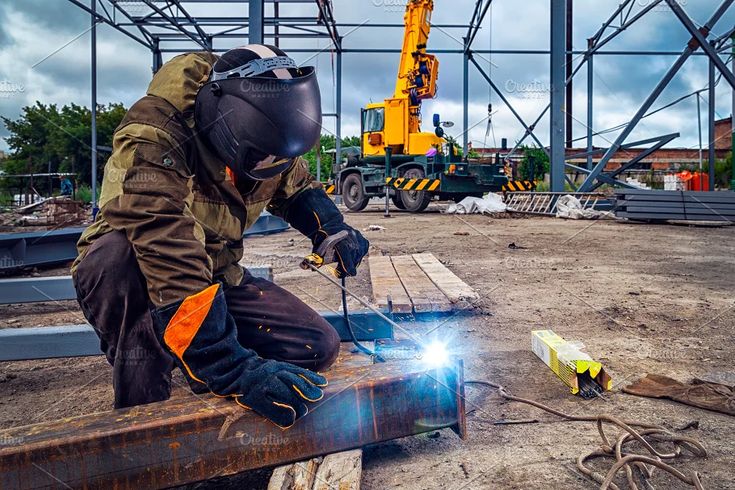
Welding is the process of joining metals by applying heat (and sometimes pressure) to create a strong bond. It is commonly used for steel structures, frames, supports, piping, and repair works. A professional weld must meet safety standards, be correctly reinforced, and pass inspection—especially in commercial and industrial environments.
Fabrication is the broader process of building metal components from raw material. It usually includes cutting, bending, shaping, drilling, assembling, and finishing. Welding is often one step inside fabrication, but fabrication also involves planning, measurement accuracy, and preparing parts to fit perfectly on-site.
For industrial projects, the best results come from a team that understands material selection, load requirements, and site conditions—while following proper quality control and inspection. This reduces rework, improves safety, and extends the life of the structure.
- Fabrication builds components from raw metal
- Welding joins parts with strength & precision
- Professional execution improves durability
- Compliance reduces risk and rework